

Grandma Hobbies
The surprising link between knitting and the promise of a long life

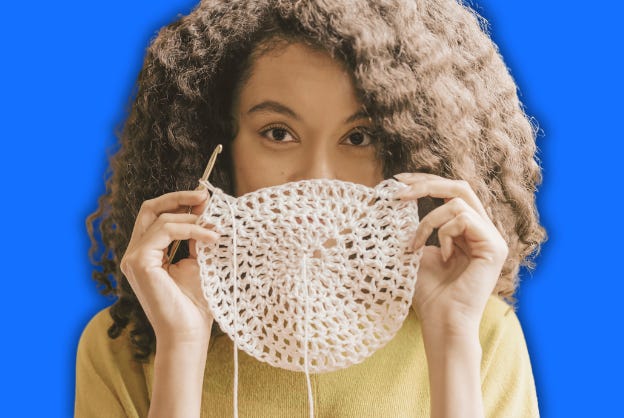
Last week, I sat down for lunch with Josh Herring, the CEO of the Longevity Science Foundation. We were discussing the usual topics—new trials in cellular repair, emerging research in aging biology, the promise and peril of radical life extension. We also discussed the challenges of online influencers promoting pills and supplements without clinical scientific evidence to support their claims.
Following our conversation, I found myself pondering the past. The small things. Slow hobbies. Stuff your grandma used to do, like gardening, quilting, or knitting, and how they may do more than any scientific breakthrough. They may not be high-tech, but they're some of the most effective tools we have for promoting long, healthy lives. The small and the slow have tremendous power, and research backs this up.
That’s when I went back to a book that has been a reference for me since it was published twenty years ago: In Praise of Slow by Carl Honoré. Honoré is a Canadian journalist and the father of the “slow movement,” a global cultural shift toward doing things more deliberately. “We're hurrying through our lives, instead of actually living them,” he told NPR in 2014. “We’re living the fast life, instead of the good life.”
The fast lane may be killing us. But the slow lane? It might just save us.
Slowing Down to Live Longer
Over the past decade, researchers have increasingly shown that the very hobbies we’ve long associated with retirement—gardening, knitting, quilting, sewing, and even birdwatching—may be powerful levers in extending both lifespan and healthspan.
Start with the physical side. Gardening, for instance, is considered a moderate form of exercise. It strengthens muscles, improves balance, and promotes cardiovascular health. “You don’t have to go to the gym to exercise,” says gerontologist Dr. Darnell Cox. “Gardening is a workout, too.” She notes that gardening is also tied to lower blood pressure and increased vitamin D exposure, both of which support longer, healthier lives.
Even the more sedentary crafts, like knitting or quilting, play a role. They require fine motor skills, hand-eye coordination, and bilateral hand use—subtle forms of physical engagement that help preserve function well into old age.
But perhaps the most profound benefits of grandma hobbies are neurological.The Mayo Clinic published a study showing that older adults who engaged regularly in crafts like knitting had a 30–50% lower chance of developing mild cognitive impairment. “Such activities engage the brain in a way that keeps it alive,” explained Dr. Rosebud Roberts, one of the study’s lead authors. “They help preserve neuronal connections and may even spur new ones.”
Repetitive tasks like knitting also create a kind of meditative state. They lower cortisol, slow breathing, and promote relaxation. According to Betsan Corkhill, co-author of an international study on knitting and mental wellness, “The complex two-handed, coordinated patterns make the brain work hard. This kind of cognitive workout is good for memory and overall brain health.”
And then there’s the social piece. Hobbies like quilting or birdwatching often bring people together, so they’re not just ways to pass the time, but rather the anchors of social life. And staying socially connected is one of the strongest predictors of longevity. According to the National Institute on Aging, social activity is associated with lower risks of dementia, heart disease, and depression. It keeps us mentally alert, physically active, and emotionally grounded.
As Dr. Cox puts it, “Gardening can give a sense of purpose as well as promote social connectivity. Community gardens foster relationships. That sense of belonging matters deeply.”
From Grandma to Gen Z
What makes all this even more interesting is that these so-called grandma hobbies aren’t just for grandmas anymore, and perhaps they never were. Grandmothers were once young people themselves when they likely honed their hobby skills.
Over the past five years, there has been a dramatic increase in younger people taking up crafts, gardening, and slow living. And it’s not just an aesthetic trend on Instagram or a legacy quirk of pandemic boredom—it might just be a generational reset.
According to Crochet Penguin, more than 73% of new crocheters are between 18 and 34 years old. College campuses are now home to knitting and sewing clubs. TikTok and YouTube are full of tutorials on visible mending, embroidery, and urban gardening. These activities are no longer niche—they’re cultural statements.
“For my generation, we’ve grown up scrolling on screens,” one 24-year-old told The Guardian. “It feels a million times more productive and better for my mental health to make something with my hands.”
That sentiment is more than anecdotal. Studies show that tactile, slow-paced activities reduce anxiety, lower heart rates, and help regulate mood, particularly in younger adults navigating digital burnout.
And these hobbies aren’t just soothing. They’re productive. Many young people see them as acts of resistance against consumerism and fast fashion. Mending your own clothes, growing your own food, and gifting your own creations are purpose-driven acts. They give people agency in a world that often feels overwhelming.
A Future Rooted in the Past
Our world is constantly racing toward the next breakthrough, whether in AI, biotech, or space colonization, so it’s easy to overlook the power of knitting needles or a backyard full of tomatoes. But maybe we shouldn’t.
What if the key to longevity isn’t just in pills or personalized medicine or performance tracking? What if it’s in the rhythms our grandparents knew well—the patience of a quilt coming together piece by piece, the joy of hearing a bird’s song at sunrise, the satisfaction of growing your herbs and vegetables?
What if “aging well” starts not with intervention, but with intention? The small things matter, maybe more than we know.
So the next time you see someone knitting in public, don’t dismiss it as a relic of the past. It might be the future. And it might just be your best investment in a longer, more meaningful life.
Like this post? Please forward it to a friend, or hit the share button below. Every click helps Population Next grow and deliver on its mission.
👉 Bring these insights to your team by booking Bradley Schurman for a keynote presentation or consultation. Visit Human Change to learn more, schedule a conversation via Calendly, or email him directly.
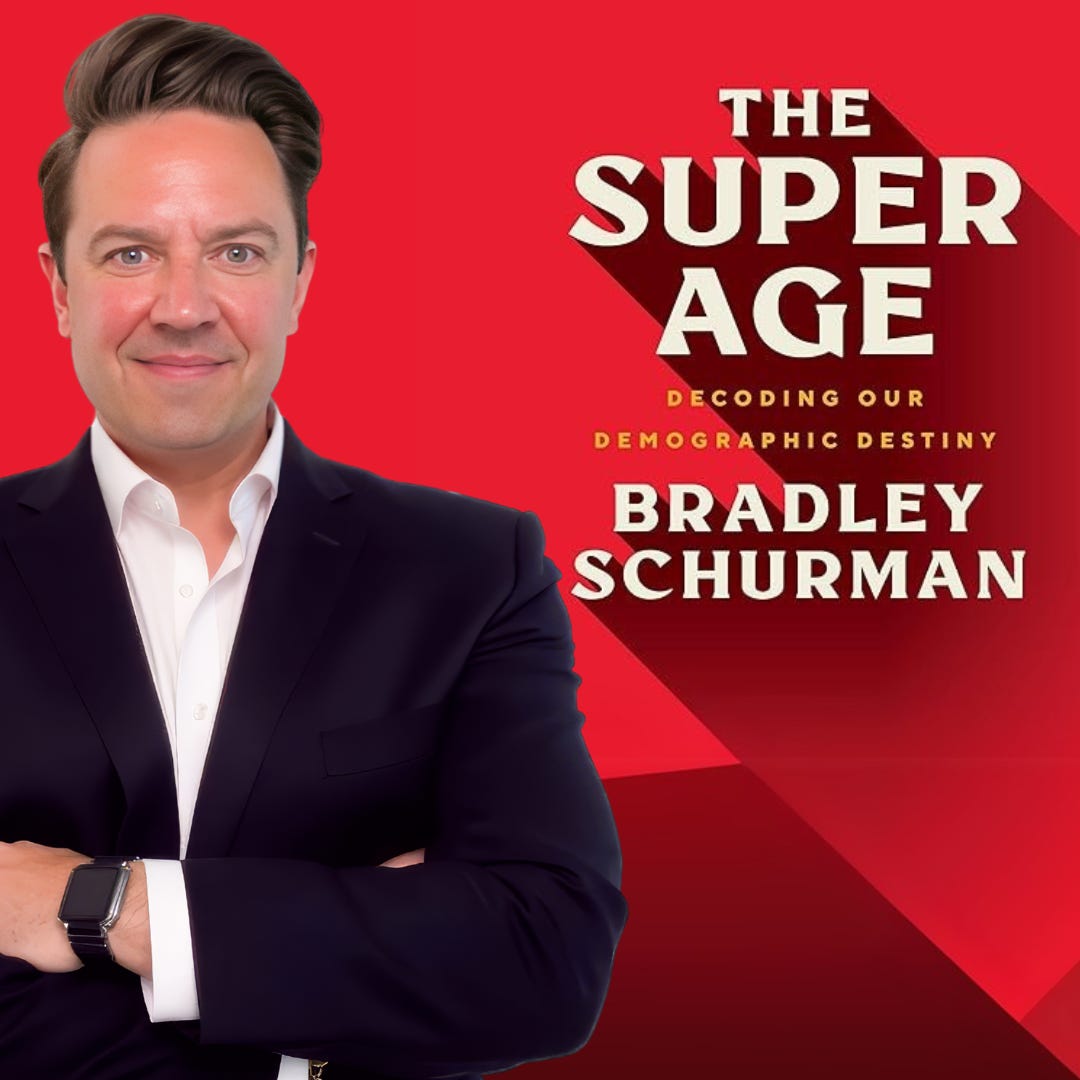
👉 Learn more about tomorrow’s demographics and our rapidly aging population by purchasing your copy of Bradley’s book, The Super Age: Decoding Our Demographic Destiny (HarperBusiness).
I have ALWAYS wanted to knit. Age unrelated. Who doesn't want a handmade sweater, scarf or anything else. You've inspired me to start and have something new to work on!!
TY. Love this!!